nomos
Governance by Wisdom
What Is
Nomos
Nomos is a discipline of governance applied to family enterprise. It establishes a higher level of understanding and interpersonal competence in the way projects are led.
It establishes wisdom as the guiding principle, the path, and the highest aim of governance. It places power and performance in its service. Nomos enables enterprises to move beyond automatic, unexamined obedience to performance, profit, or market pressure, and to develop not only the capacity to think, but the competence to act accordingly: to align decisions, roles, and relationships with what the system is, what it is here to do, and what it aspires to be.
This includes not only the impact an enterprise has on the world, but the quality of life it creates within itself. Many family enterprises achieve performance without generating wellbeing, meaning, or cohesion for those who belong to them. Nomos addresses this directly.
Grounded in systemic, relational, and scientific principles — and rooted in the philosophical tradition in which governance was first understood as a discipline: Ancient Greek thought — Nomos works with those who are willing to take responsibility for how power is exercised, how their enterprise functions internally, and the impact it creates over time.
The
Principle
Patrimony is managed. Human governance is an art that is learned. Every system has a structure — a logic by which power, information, and meaning flow. When that structure is sound, extraordinary things emerge from it. When it is corrupted or misaligned, no amount of wealth, talent, or goodwill can compensate.
Gregory Bateson — the anthropologist and systems theorist — observed that the deepest errors in human systems are not errors of fact, but errors of logical type: people operating at the wrong level of abstraction, solving the wrong problem with great efficiency. This is precisely what Nomos addresses.
Governance
Is not creativity. It is structure — the mathematical foundation that cannot be bent. Like the laws of music: you cannot negotiate with harmony. You either respect its principles or you produce noise.
Leadership
Once the structure is right — once positions are clear, authority is earned and not assumed, and relationship is treated as a governing variable — then leadership can be truly creative. Then succession becomes a gift rather than a crisis.
“The boardroom and the dinner table are the same room.”
What We Do
We work with precision. Not inspiration. Wisdom in our work is not vague. It is governed by precise principles — principles that can be articulated, taught, and applied. This is not therapy. It is not coaching. It is structural diagnosis and intervention at the level of the system itself.
We Read the System
Every family enterprise carries a narrative — a story of who holds power, who sacrificed what, who is owed recognition, and who is invisible. That narrative governs behaviour more powerfully than any formal structure. We read it with precision: mapping positional distortions, identifying where authority has detached from wisdom, locating the unspoken agreements that are quietly running the system.
We Restore Position
When each person in a system occupies their rightful position — with clarity about their role, their contribution, and their relationship to others — the entire structure realigns. We restore order not by imposing hierarchy, but by revealing the natural order the system itself demands. This is not about who is in charge. It is about who stands where, and why.
We Build the Constitution
Not a legal document. A living architecture of principles, roles, and protocols that the family can actually inhabit. We co-create this with the people who must live within it — because a governance structure that is not lived is merely expensive paper. The structures we create are born from the system itself. That is why they hold.
We Train the Competence
Governance is not a document you adopt. It is a capacity you develop. We train the people who must inhabit the structure — cultivating more competent human beings, stronger relational architectures, and the daily discipline of applied wisdom. We propose. We do not impose.

When to
Call Us
We work with family-owned enterprises between €20M and €500M. Across Europe and the Americas. At three specific moments.
Crisis
When governance conflict has surfaced, or relationships are suffering. When the tension that was manageable has become structural. When what is happening in the boardroom is also happening at the dinner table, and nobody knows which one started it.
Transition
Succession, retirement, generational handover, or exit. When the structures that built the enterprise are no longer sufficient for what it must become. When the founder’s identity and the company’s identity have become dangerously fused.
Growth
When the next phase of development requires governance that the current structure cannot provide. When talent, vision, and capital are present — but the relational architecture cannot hold them.
We also work as a partner to private banks, family offices, and wealth advisors who recognise that their clients’ deepest challenges do not appear on the balance sheet — and who need a practitioner with the precision to address them.
The Athens Programme
Governance is not a document. It is an experience.
Athens was the first city to ask the questions that family enterprise still cannot escape: Who has the right to lead? How is authority earned? What does a generation owe to those who came before — and to those who will come after?
Once a year, Nomos brings a small group of founders, successors, and family enterprise leaders to Athens for a three-day immersion. Not a conference. Not a retreat. A structured encounter with the city that invented governance — used as a living framework for the work each participant must do in their own system.
The Acropolis — position and elevation. The Agora — shared narrative and deliberation. The Areopagus — judgement and precedent. The Kerameikos — what is buried, and what endures.
Training in Socratic Dialogue. Individual work on positional narratives. Collective architecture of governance principles. The city as teacher.
If you believe governance begins with structure and ends with wisdom, Athens is where we do the deepest work.
Team
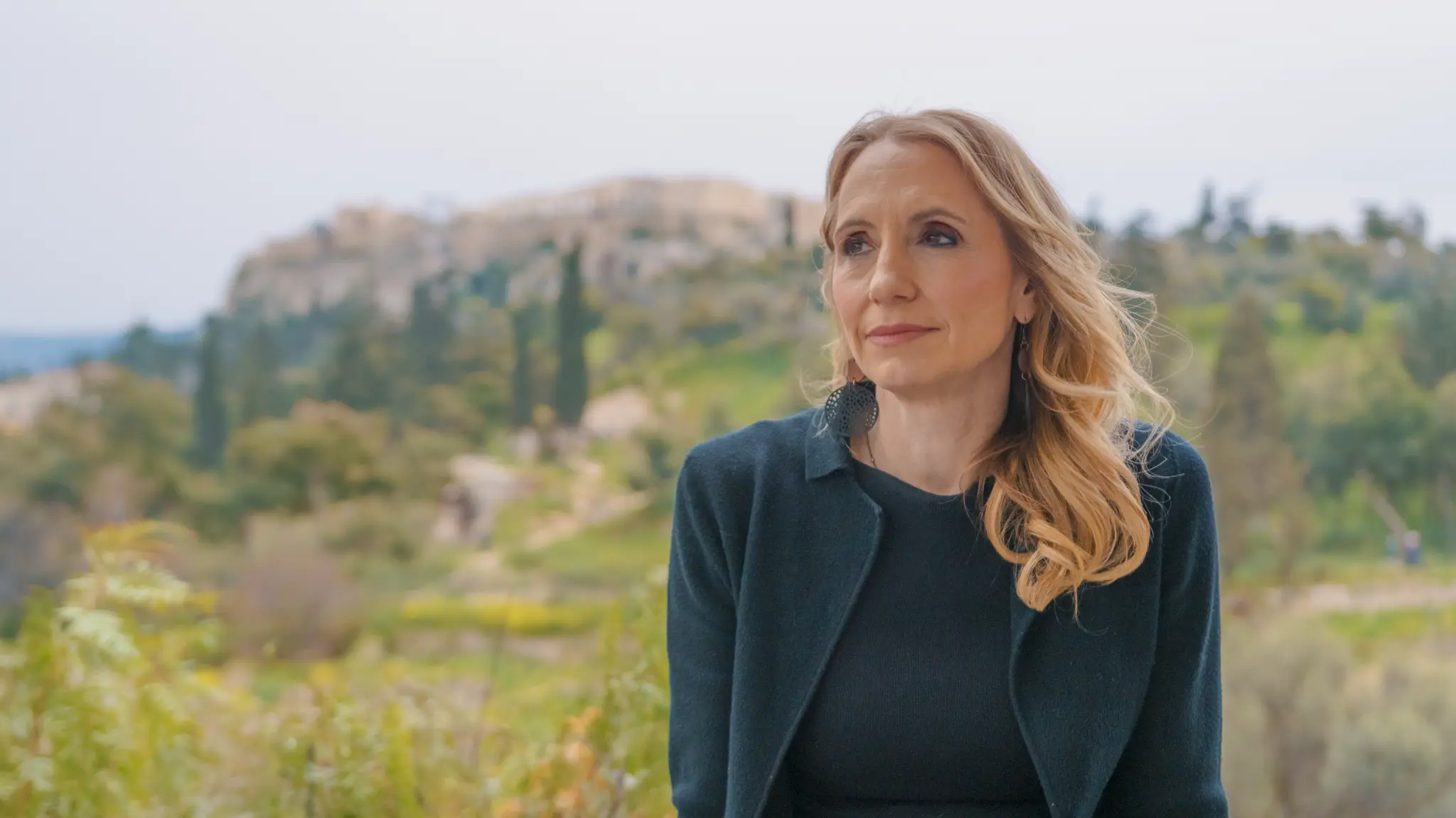
Dimitra Doumpioti
Founder
Dimitra is the originator of the Nomos methodology. Working at the intersection of systemic thinking, epistemology, and the relational architecture of human systems, she has spent two decades developing a framework that is neither therapy nor consulting — but something more precise than either. Her starting proposition is radical: governance failure in family enterprise is not emotional. It is epistemological. Families do not fail because they argue. They fail because their map of reality — who holds power, what the narrative means, who stands where — has become structurally incoherent. She works with founders, successors, and family enterprise leaders across Europe and the Middle East. Her approach is direct, principled, and unapologetic. She does not seek to be liked. She seeks to be useful — in the precise sense that only truth is useful.
Pere Brugal
Co-Founder
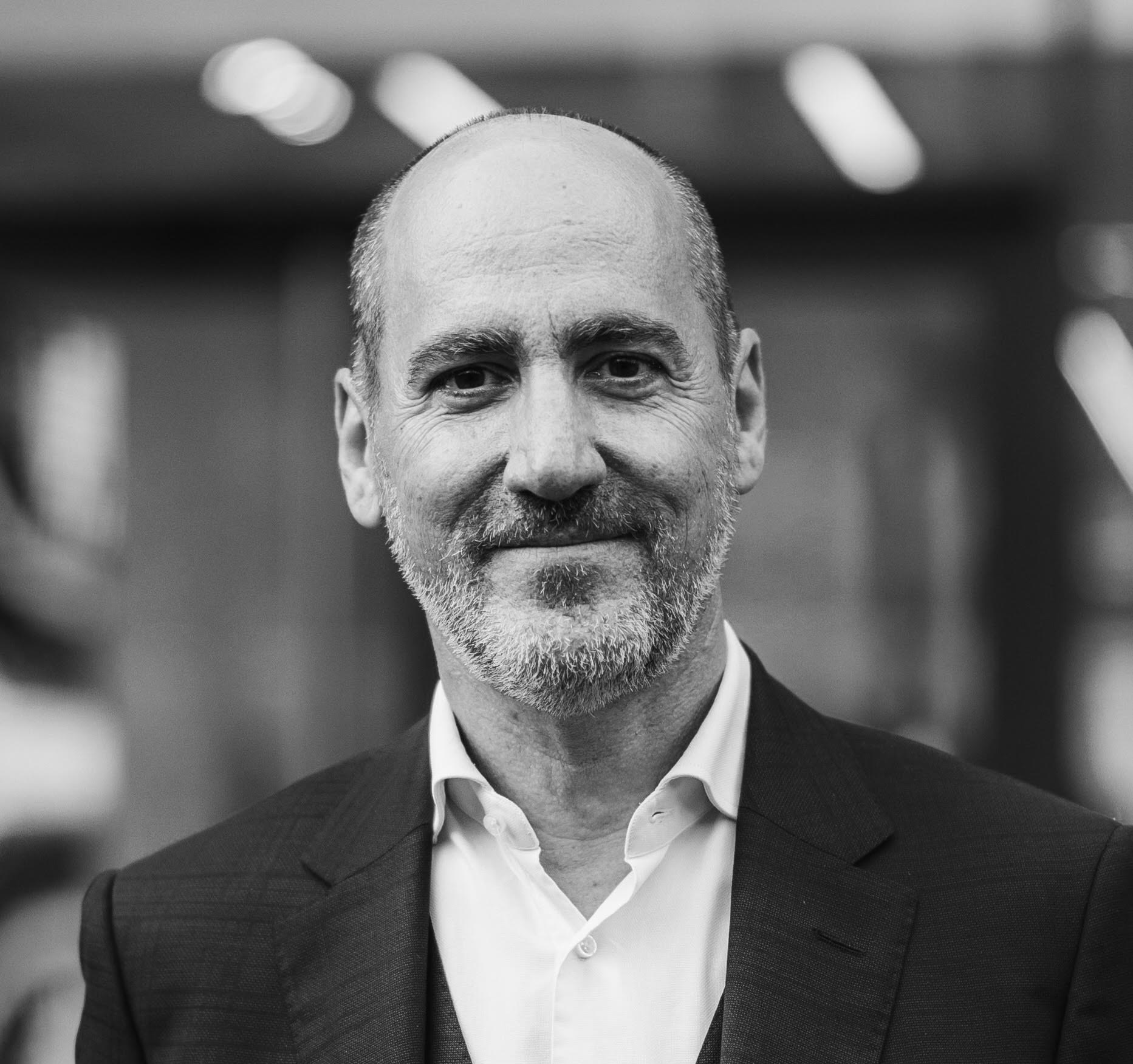
Pere Brugal is a senior executive leader who has spent his career at the intersection of transformation and governance — working alongside the founders, CEOs and senior leadership teams who redefined and transformed automotive, sports and fashion industries — in founder-led companies like Tesla, BYD, Desigual, Pronovias and Nike. Pere has navigated the cultural, strategic, and organisational complexity of building world-class strategies and teams across USA, Europe and China. He has a rare combination of C-suite operating experience, cross-cultural intelligence, holistic company view and a deep belief that family businesses have a unique opportunity in the world to create massive positive impact.
Ed Davidson
Co-Founder
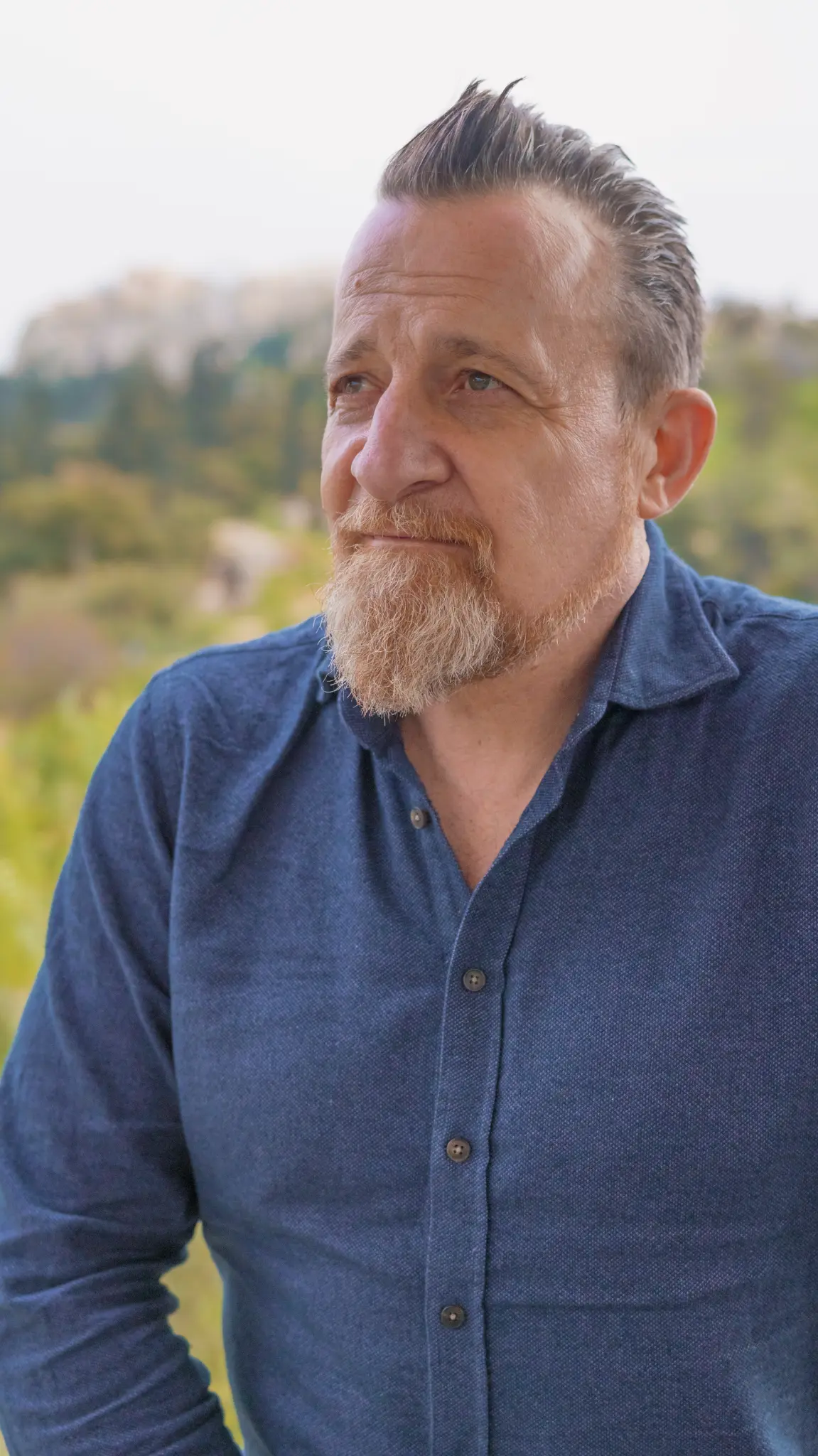
I grew up between two worlds — my mother’s world of high fashion and my father’s world of fine antiques. I started at Christie’s at sixteen, and by twenty I was advising families whose wealth spanned generations and continents. Over three decades I have worked with royal households, private collectors, and some of the most prominent families in Europe and the Middle East. What I learned — the hard way, more than once — is that the objects are never the point. The relationships are. The dynamics around a dining table tell you more about a family’s future than any balance sheet ever will. That is what brought me to Nomos. I have seen what happens when governance is absent and I have seen what becomes possible when it is done with wisdom. I bring the human side — the instinct for people, the cross-cultural fluency, and an honest belief that how we do things matters as much as what we achieve.

nomos
Begin the Conversation.
Mapfre Tower · Carrer de la Marina 16–18 · Floor 27 · Barcelona
Athens · Barcelona · Zurich